


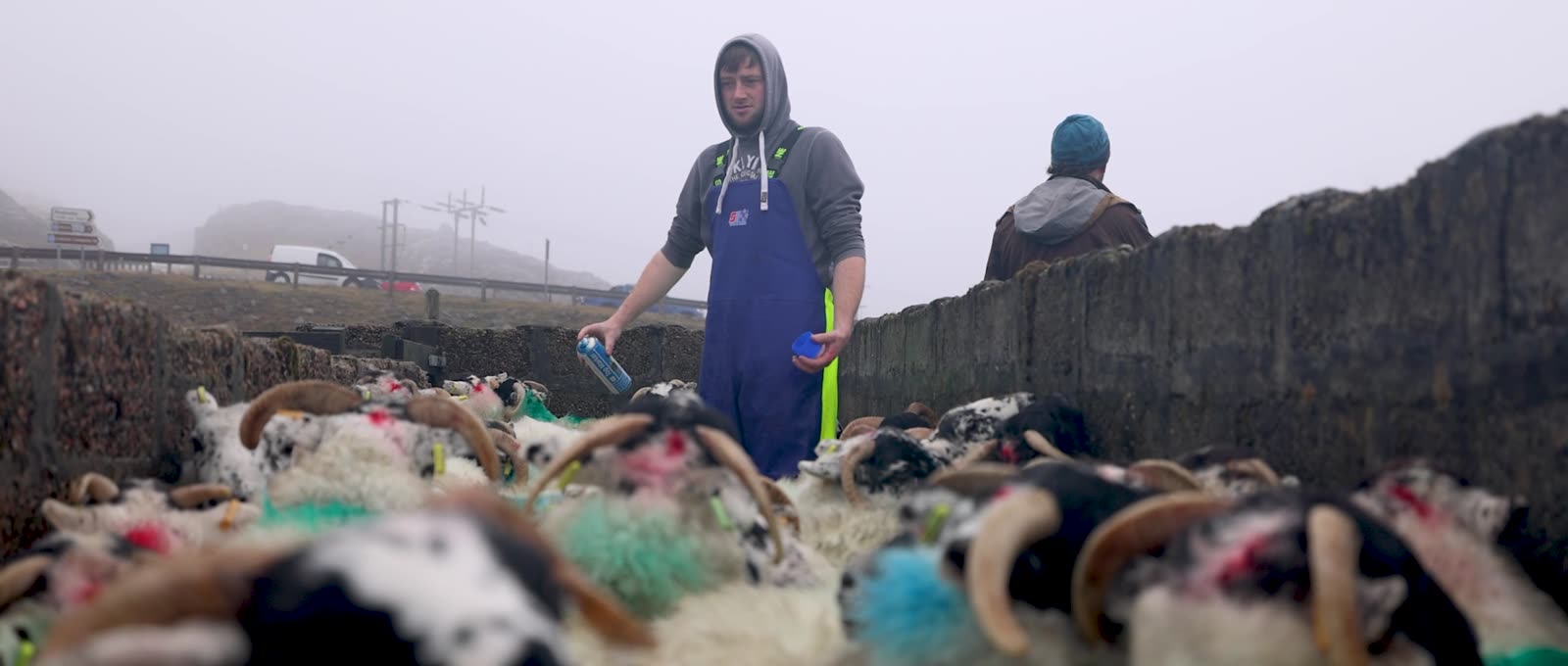
Talk about scab openly. Hiding it helps nobody.
…folks have been ashamed to admit that they had it which was never a solution to the problem…”

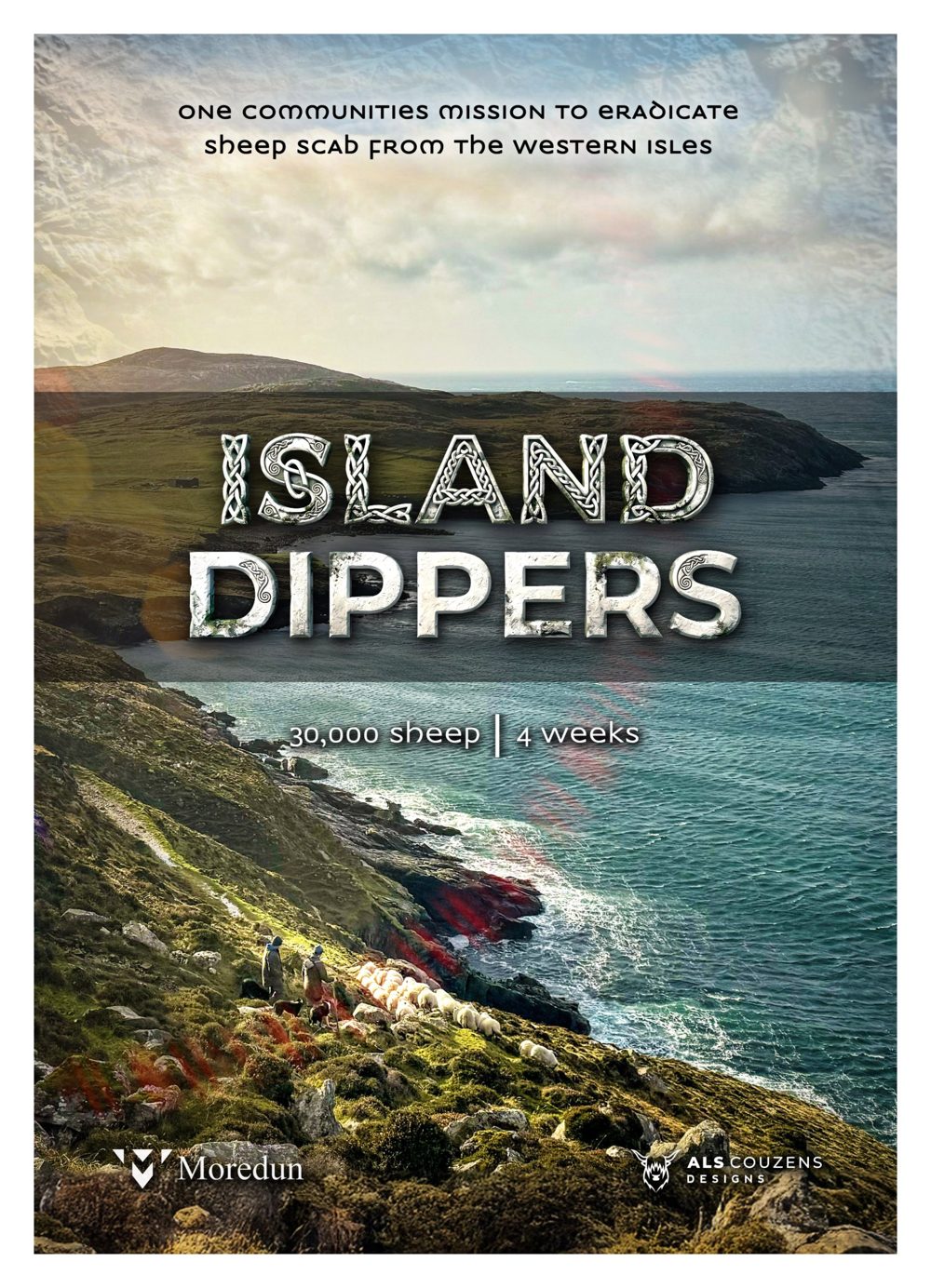
A 25-minute film
How crofters, a vet and Moredun scientists used blood testing and coordinated dipping to control scab on Lewis & Harris.
It follows the project from the first blood tests at pregnancy scanning to island-wide dipping with a contract mobile dipper. Crofters describe the organising, the weather and the work at the fank. Moredun explains the science.
The film describes the effort as the biggest coordinated dipping programme in the UK since 1992.
Just before the project started my sheep caught sheep scab…they were thinner than they should have been…the after effect was about a year before they were back where they should have been.”

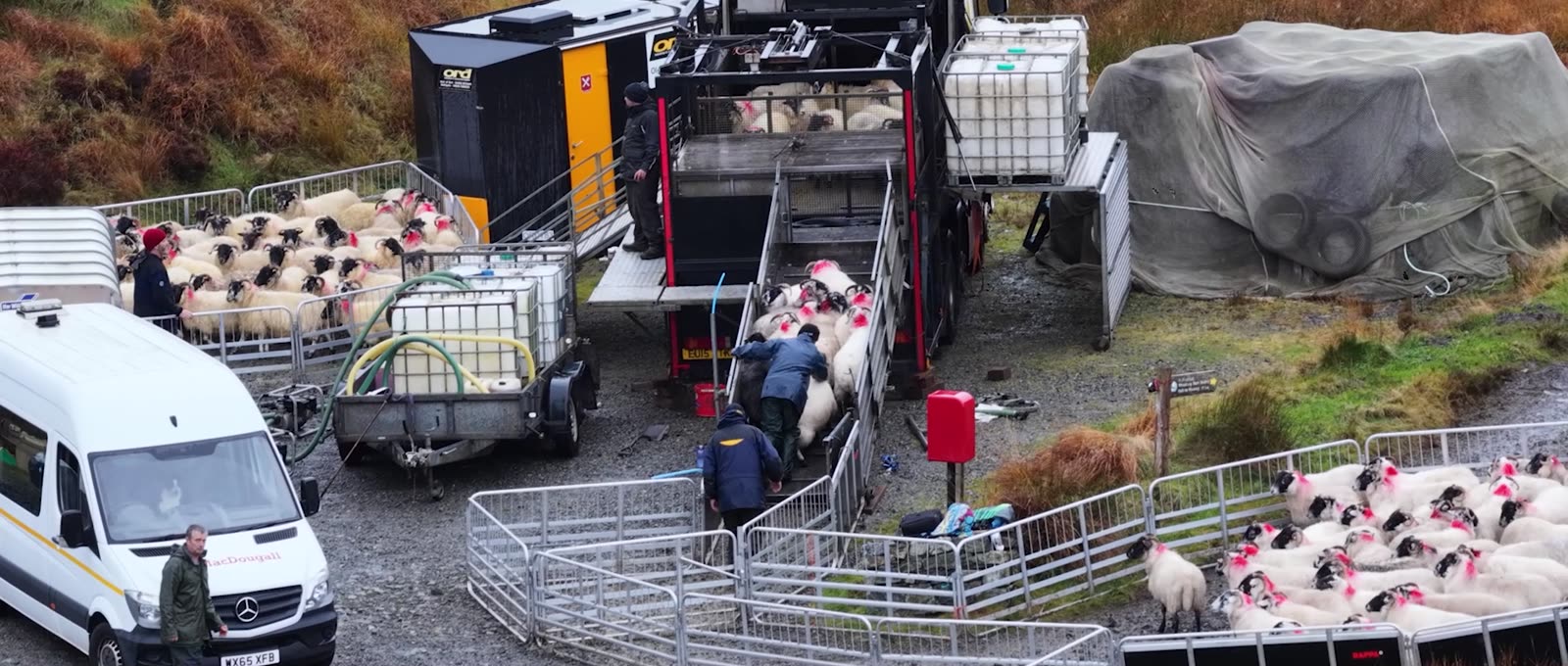
The mobile dipper managed two stops a day at most, sometimes with up to 1,800 sheep at one.
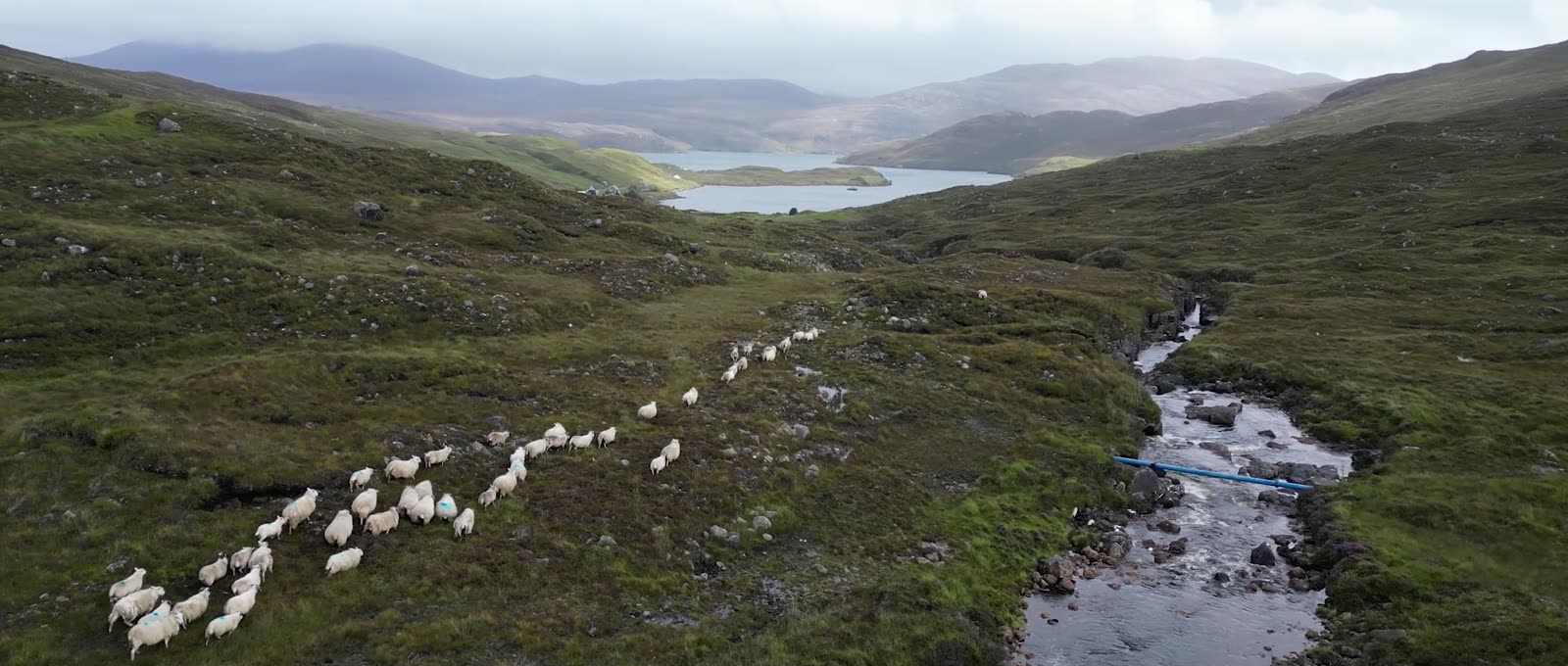
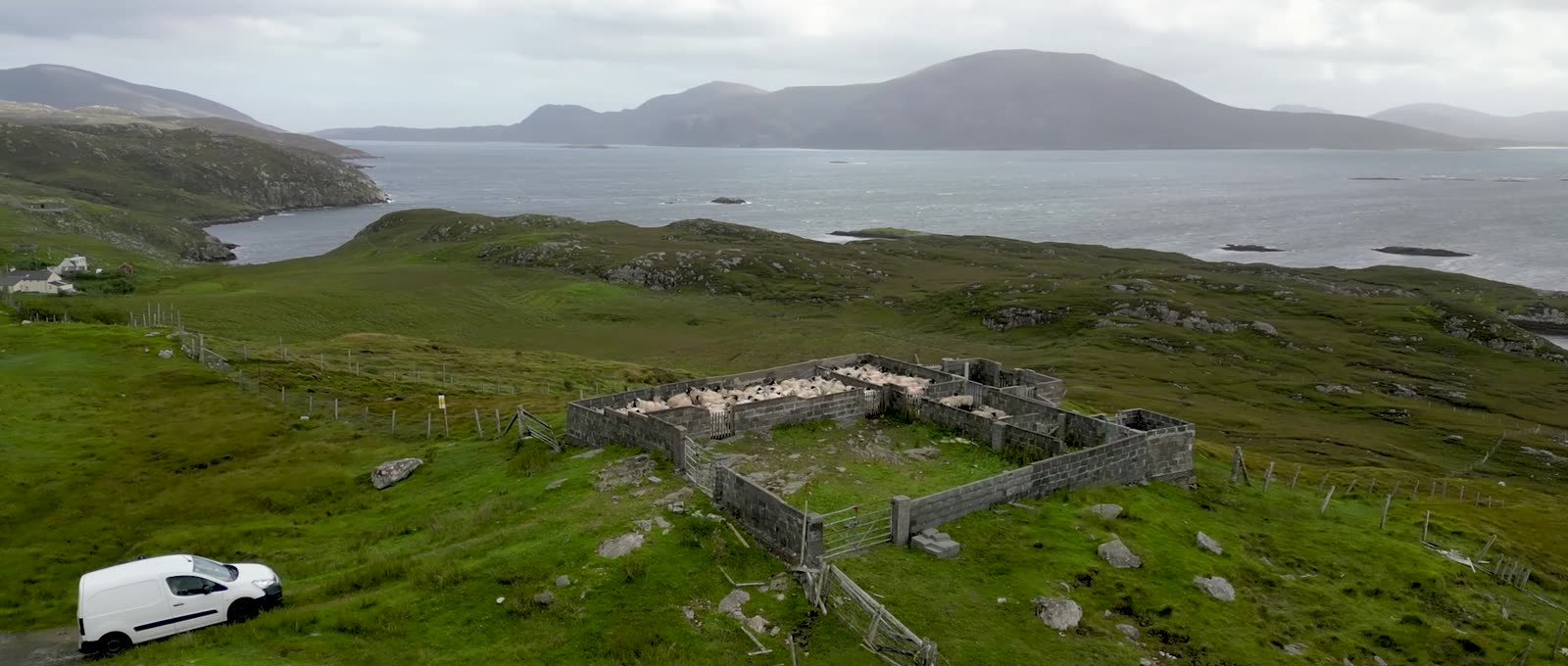
Sheep were gathered to a fank or trailered to the stop. Up to eight or ten trailers ran at once, because sheep had to be taken home again too.
The dipper treated close to 30,000 sheep, 80 to 95% of the island’s flock.
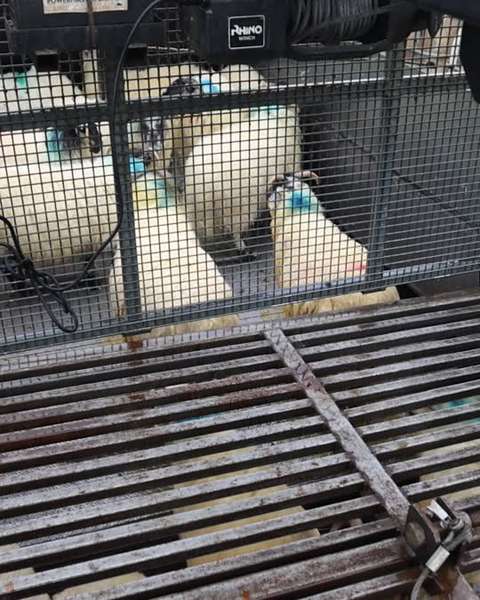
The dip contains diazinon, an organophosphate that is a neurotoxin to mites and does not harm the sheep.
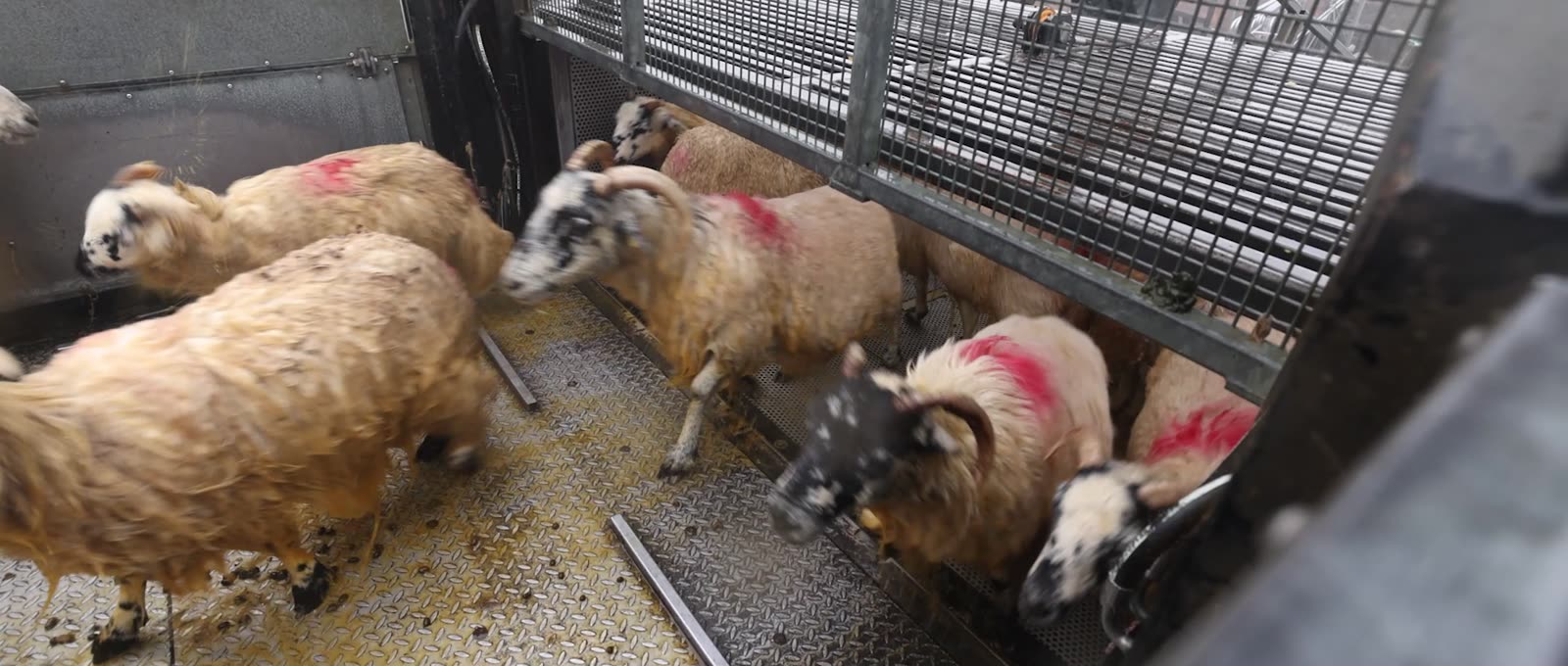
Groups of 10 to 15 sheep go into a cage that is lowered into the bath. Heads go under twice, because mites survive in ears, eyes and nostrils.
The dip also covers fly strike, ticks and lice.
Dip dry sheep. Wet sheep will still be cleared of scab, but protection won’t last as long.
Orange dye was added to the bath so any undipped sheep on common grazing stand out.
…driving through the village after the dipper had been was quite a spectacle seeing all these bright orange sheep on every single croft.”
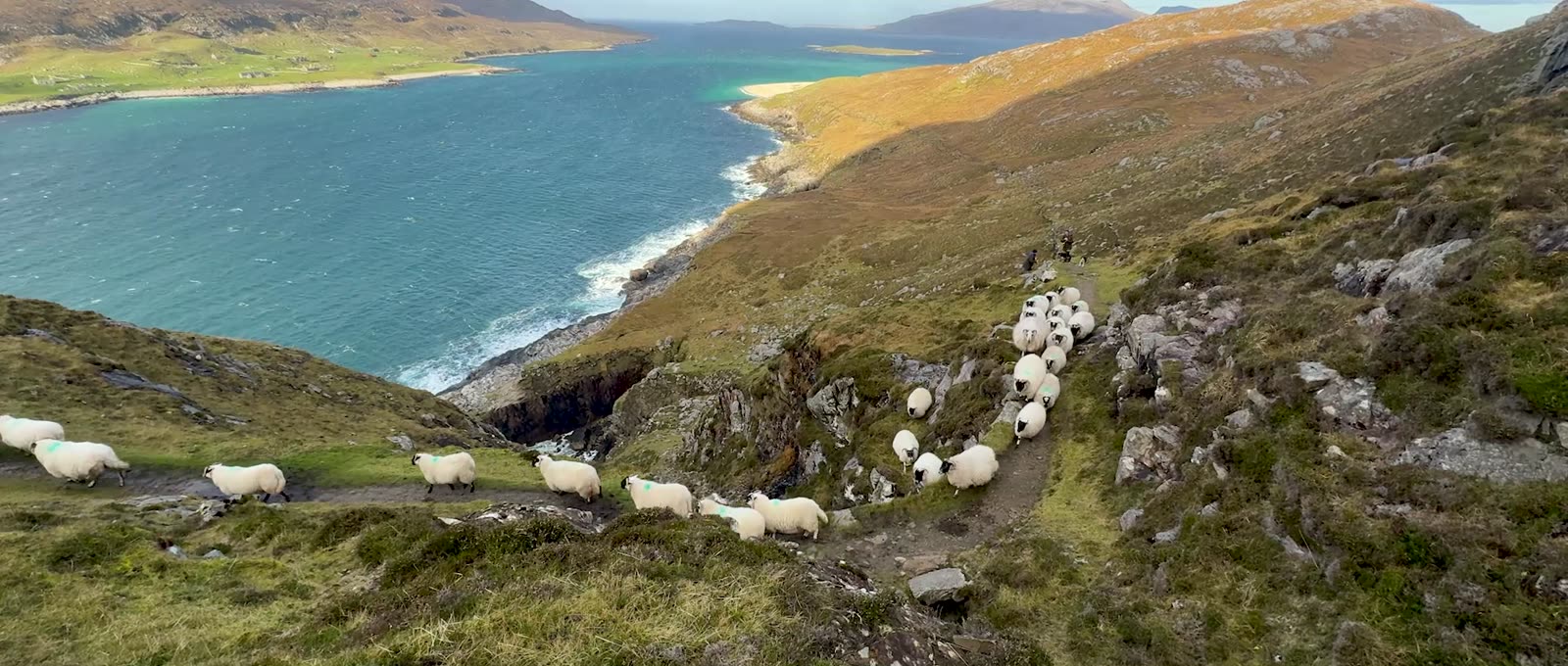
Crofters in the film link the project to healthier flocks and more buyer confidence. Buyers now feel safe buying store lambs on the island.
Beyond the funding. Scottish Government funding ended in 2025, but crofters are still dipping, organising it themselves and covering the costs, a sign that the project has a lasting legacy.
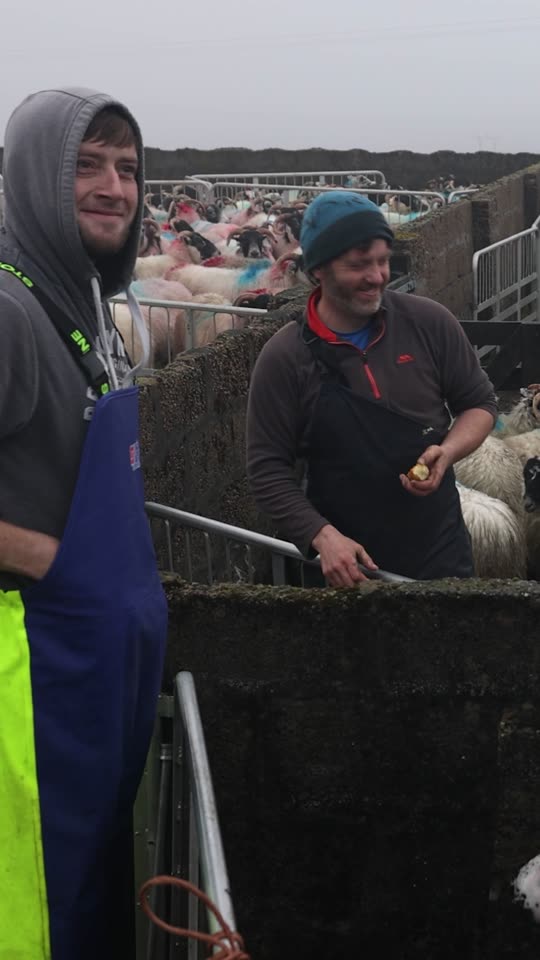
The film also credits the project with bringing people back together at the fank with benefits for crofters’ mental health as well as the sheep on the island.
…a real positive is getting people around the fank, having sandwiches, a flask of soup or coffee and talking…I think that’s had a big impact on people’s mental health as well.”
The project was highly commended in the Place-based Impact category at Interface’s 10th Scottish Knowledge Exchange Awards in 2025.

Sheep on the island have flourished massively. It’s got a lot to do with the actual dipping itself but also to do with people speaking to each other again.”
…folks have been ashamed to admit that they had it which was never a solution to the problem…”
…you will never get everybody on board at the start…”
…what we are developing is a strategy through which we can control sheep scab into the long term based around doing more of this coordinated testing and treatment to get on top of sheep scab…then the vaccine we are developing can be used to really hammer the disease down in the longer term.”
Hannah MacKay, Ally Williamson and Stew Burgess
Ally Williamson
Stew Burgess, Hannah MacKay and Ally Williamson
Stew Burgess
Contribute to the Moredun community, and together we can help make a difference to livestock health. View newssheets and updates online.
Sign upAs a member you're not just supporting research; you're joining a community 9000+ like-minded farmers and vets that care deeply about animal health and welfare, just like you do. The collective knowledge and expertise informs our exclusive pratical animal health advice and resources.
Become a Member