What the Regional Advisers are seeing
Field intelligence from Moredun's Regional Adviser network on disease patterns, diagnostic gaps and treatment access across the UK, September 2026. This report is based on information received from thirty four advisers across six regions, with bluetongue dominating the picture.
Field intelligence, not formal surveillance
This report brings together intelligence gathered through Moredun's Regional Adviser network, drawn from ongoing conversations with farmers, veterinary professionals and others working across the livestock sector. It is a structured picture of what advisers are seeing and hearing in the field: changing disease patterns, diagnostic challenges, treatment and vaccine access concerns, and areas where farmers and vets may need better evidence, advice or tools.
The report distinguishes between issues widely reported across regions, recurring concerns and early signals that may need further investigation. It helps Moredun identify emerging animal health issues at an early stage, understand where diagnostic and advisory gaps may exist, and inform priorities for research and knowledge exchange.
This edition also compares this quarter's picture against June's for the first time. Read that comparison as directional rather than definitive: the two quarters were built from different data sources and a different reporting process, both explained where the comparison appears.
This report draws on two connected sources. Regional advisors submit their observations directly, quarter by quarter. Regional chairs then meet to review and scrutinise those submissions, drawing on their own knowledge and expertise, sometimes corroborating what advisors report, sometimes adding context or challenging a reading of it. Where this report draws specifically on the chairs' discussion rather than the advisor submissions themselves, that's marked with a small † symbol at the point it appears.
Regional signals
Six regions, six different pictures
Select a region on the map to see the field issues its Regional Adviser network raised most often this reporting period.
Select a region.
Wales: Bluetongue anxiety, a strained vaccine supply, and a drought silver lining for fluke
- Bluetongue dominates every advisor's submission this quarter, described as “explosive” and rapidly widespread, with clinical fatalities observed in sheep.
- Vaccine access is a real constraint for smaller flocks specifically: bottles are only available in 50 dose sizes in some areas, pricing out farms that don't need, or can't afford, that volume.
- Test result delays of two weeks or more are compounding uncertainty for farmers trying to make vaccination decisions in time.
North of England: Clinical bluetongue losses, a lungworm vaccine loss on the horizon, and Haemonchus creeping north
- BTV is producing real clinical and financial impact here, not just anxiety: advisors describe direct losses alongside vaccine cost and access strain.
- The announced discontinuation of Bovilis Huskvac after the 2027 lungworm season is a genuine concern for cattle farmers reliant on it for sustainable parasite control, with no clear replacement identified yet.
- Haemonchus (Barber's Pole worm) is described by two advisors independently as increasingly prevalent in the north, historically a more southern problem.
Northern Ireland: Bluetongue concern ahead of any local cases, and a resurgent Haemonchus
- Every advisor names BTV as their biggest concern, although the latest official figures show no confirmed cases in Northern Ireland this season, so the worry here is about what may come rather than disease already on farms.
- Beyond supply, one advisor reports differing views among farmers on whether to use the vaccine, a sign that clear, consistent information matters alongside availability.
- Haemonchus is flagged as a rising, distinct worry from BTV.
South of Scotland: Tightening bluetongue controls and mounting input cost pressure
- A single case of classical BSE was confirmed in Dumfries and Galloway in August, found by routine surveillance, with no risk to the food chain. Two advisors in this region mentioned it.
- A Restricted Zone was introduced in South West Scotland on 10 September, tightening bluetongue movement controls around Dumfries and Galloway.
- Input costs dominate several submissions independent of disease: heating oil, nitrogen, and falling deadweight cattle prices are squeezing margins hard.
- The Huskvac discontinuation is raised here too, independently of North of England: worth noting as a cross regional concern rather than a local one.
South of England: At the centre of the outbreak: bluetongue losses, vaccine access strain, and a resurgent Haemonchus
- This region carries the heaviest clinical BTV load in the country this quarter, consistent with official case figures showing England accounts for the large majority of confirmed premises.
- Vaccine access friction goes beyond simple shortage: some vet practices are requiring payment on ordering or on collection, adding a cash flow burden on top of scarcity.
- Haemonchus is raised independently by three advisors as a dominant, possibly under recognised, contributor to losses that may otherwise be attributed to BTV.
North Scotland: Bluetongue concern without local cases, and a wetter, kinder season than the rest of the UK
- BTV dominates concern here ahead of any local spread: advisors describe it as “on the minds of many people” while reporting no spread this far north.
- Heptavac P's 500ml bottles have been delayed to late October or early November, with only smaller pack sizes available in the meantime, a regionally concentrated supply issue.
- Rumen fluke is being talked about as “the next new thing to worry about” by one advisor: worth reading as a perception story rather than a clinical one this quarter (see the Rumen Fluke card below).
- Unlike the drought affecting Wales and England, this region reports a genuinely good growing season: wetter, but good for grass, with several advisors noting they're better off than farms further south.
Nine issues, one index
A quick scan of everything raised this period. Scroll to move through the full list.
- Widely reportedSaid consistently across regions
- Recurring concernRaised repeatedly, not yet confirmed
- Early signalWorth monitoring
BTV: the outbreak regions
North and South of England: clinical losses, vaccine cost shock, flocks regathered for boosters.
BTV: the anticipation effect
Northern Ireland, South of Scotland, North of Scotland: concern near universal, clinical exposure low, driven by vaccine scarcity and secondhand accounts.
Anthelmintic resistance and worm burdens
Reported by 20 of 34 advisors. Same north south divide as June. Startect's withdrawal now closer with no confirmed replacement.
Sheep scab
Reinfection between neighbouring holdings the recurring theme. Northern Ireland now reporting abattoir condemnations tied to the immune response.
Ticks and tick borne disease
Nineteen of 34 advisors. No sign the pressure from June has eased.
Vaccine, diagnostic and supply chain access
Cuts across BTV vaccine shortage, Heptavac and Huskvac supply issues, BTV test turnaround delays (up to a month in places), and vaccine cost inequity for smaller farms.
Rumen fluke: perception vs. clinical reality
A genuine clinical case in North of England sits alongside a perception driven “next big worry” narrative in North of Scotland that's worth reading as concern outpacing clinical significance.
Shamonda-like orthobunyavirus
Raised in the chair minutes, not yet visible in advisor submissions. An emerging virus worth watching rather than reporting on yet.
Economic pressure on farm businesses
Raised independently in Wales, South of Scotland and North of Scotland: fuel, fertiliser, feed and falling lamb and cattle prices are squeezing margins hard. North of England: treatment costs alone are putting some farmers off tackling sheep scab at all.
Vaccine picture by region
Availability and vaccination behaviour, region by region
Two distinct questions, answered for each region: can farmers get the product, and what are they actually doing as a result.
| Region | Availability | Vaccination behaviour |
|---|---|---|
| Wales | 50 dose only bottles, pricing out small flocks that don't need that volume. | Vets pushing vaccination hard, but the dose size barrier above is actively discouraging smaller farms from following through. |
| North of England | Recurring vaccine and antibiotic shortages generally. Huskvac lungworm vaccine confirmed discontinued after the 2027 season. | BTV uptake strong among breeding stock specifically, driven by purchaser pressure from farms further south. |
| Northern Ireland | No major access constraint raised this round. | No local cases this season. One advisor reports differing views among farmers on whether to use the vaccine; no uptake data was submitted. |
| South of Scotland | BTV vaccine and PCR testing capacity both raised as constraints. Moredun to support PCR testing going forward. | At around £3 a dose, hill and extensive systems reported as less likely to vaccinate than dairy and suckler systems. |
| South of England | Some vet practices requiring payment on ordering or collection, adding friction beyond simple stock availability. Hill flocks needing regathering for boosters within three weeks. | Farmers taking whatever vaccine is available rather than their preferred product, complicating booster timing. |
| North of Scotland | Heptavac P 500ml bottles delayed to late October or early November. Smaller pack sizes limited. | BTV vaccine reported as available here, in contrast to shortages further south, plausibly one reason concern here runs ahead of actual difficulty getting hold of it. |
June to September
Comparison with the previous quarter
Four issues where both quarters gave us enough to say something real. Everything else gets a direction, not a verdict.
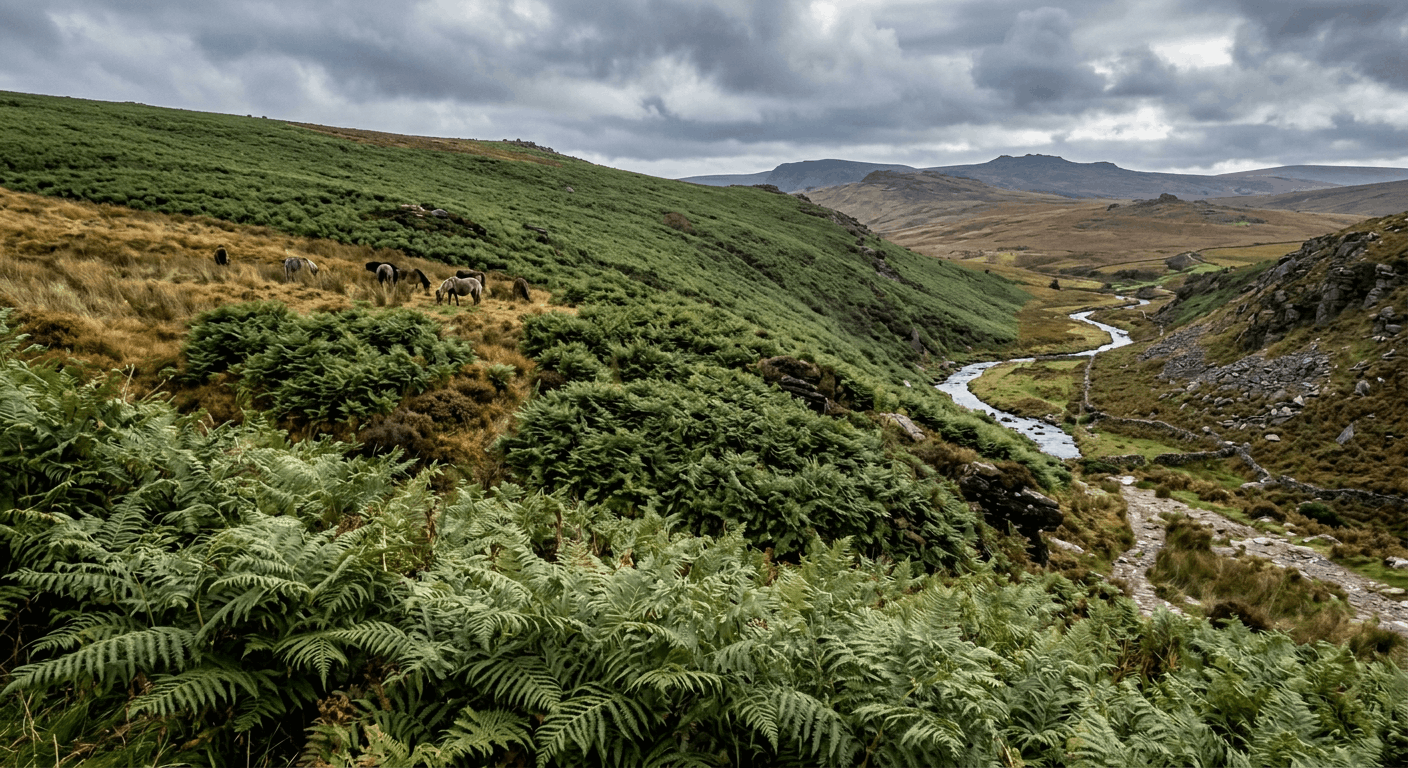
Ticks and tick borne disease: still rising
June found submissions up 81 percent over five years in Wales and 99 percent of tested lambs positive in North Scotland. Neither figure has an equivalent this quarter, but ticks remain one of the most consistently reported issues in the country: raised in five to six of six regions, nineteen of thirty four advisors.
Nothing in this quarter's reporting suggests the pressure has eased.
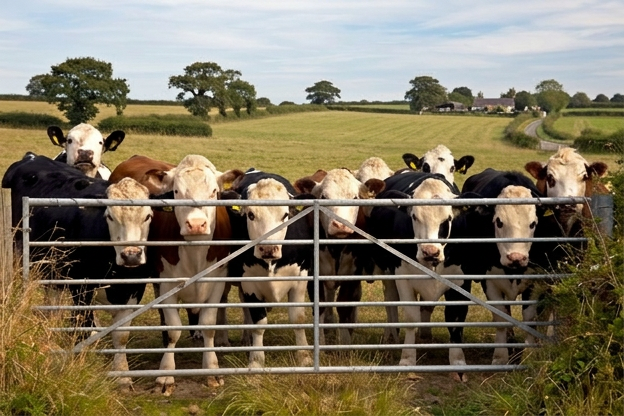
BTV: same headline, a bigger number behind it
June tracked 339 confirmed cases across the previous season. Official figures now put this season's confirmed total at 1,048 premises across Great Britain: 916 in England, 111 in Wales, 21 in Scotland, none yet in Northern Ireland, with a further 2,046 premises under investigation. These numbers move quickly and may have changed since this was published: see the current count on gov.uk's official bluetongue situation page.
That national pattern is consistent with what advisors describe. North and South of England report the heaviest clinical and financial impact this quarter, while Northern Ireland, South of Scotland and North of Scotland report far fewer cases but comparable levels of concern, driven mainly by vaccine scarcity and cost rather than disease on the ground.
One recent development advisors hadn't yet reported at the time of submission: a Restricted Zone was introduced in South West Scotland on 10 September, tightening controls around Dumfries and Galloway.
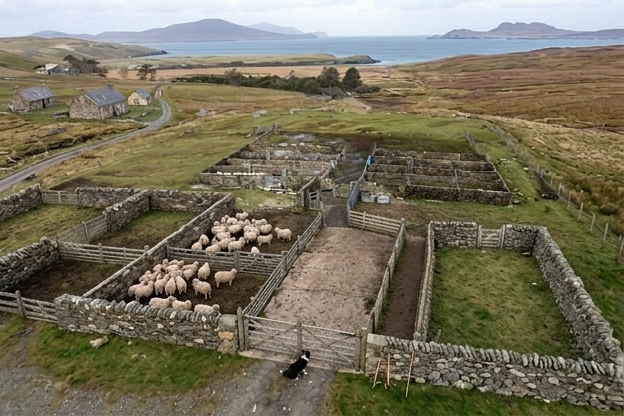
Sheep scab: persistent, not worsening or resolving
The reinfection between neighbours pattern June described, including one South of Scotland case running eighteen months, is still the dominant theme, raised by sixteen of thirty four advisors.
New this quarter: Northern Ireland is reporting abattoir condemnations tied to the immune response to scab, a consequence June hadn't yet picked up.
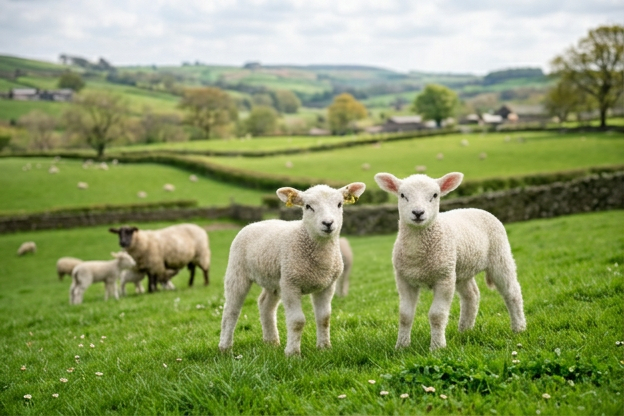
Anthelmintic resistance and worm burdens: the same regional divide holds
June's north south split, an easier spring in the north and worsening resistance in Wales and the south, shows up again almost unchanged. Twenty of thirty four advisors top fived it.
The one thing that's moved is time. Startect's withdrawal, a future concern in June, is now closer, with no confirmed replacement.
Best thing this quarter
Three answers to the question that ends every submission
Farmers communicating better with each other, sharing experiences, and opening up about the challenges they face.Regional Adviser, Wales
Lamb trade is good, grass growth in the Highlands has been very good, so autumn calving cows are milky.Regional Adviser, North of Scotland
It's finally rained.Regional Adviser, North of England
Turn field signals into next steps
This report is a starting point for research priorities, knowledge exchange planning and conversations with industry and government partners.
